Dec 28

My on-going VideoBlog, as much for me as it is for everyone else… I’m aiming for bi-daily updates, as they come, and I’ll be as forthcoming as possible. Some networks and deals are best not spoken about directly until the ink is dry, if you know what I mean, but I’d like to have this as straight up as it can be! If you’re feeling it, subscribe to the RSS Feed or in iTunes.

Oct 16

I find it pretty amazing that small business owners that know about Twitter don’t know how to use it to help make a difference in their business. 

Or don’t know that it can.

Citibank just got the results back from a study they commissioned where nearly two thirds of the people they polled said social networks like Twitter weren’t helpful at all. Now, as a film maker who has seen the sales of my most recent film, Six Reasons Why, hit some unexpected heights both in Canada and in the U.S. thanks to viral marketing and social networking, I’ve got to say there’s something wrong with these numbers. 


Citibank Results

If the error isn’t in the polling question itself, then it’s in those business owners’ use of Twitter. And if it’s not there, then certainly in the tracking of Twitter-based results. The numbers are so low, it actually makes me wonder if the people polled even know that these networks can be used for business at all.

These business owners could definitely benefit from the Twitter marketing success stories of Moonfruit, Naked Pizza and Freshii. Naked Pizza and Freshii have been doing Twitter-only promotions to give away free toppings and add-ons to walk-in orders with great success, and Moonfruit even managed to become the top trending topic for weeks when they began giving away MacBooks on Twitter to increase their brand awareness. These are companies that have followers ranging from barely a thousand all the way up to 20,000+, so it’s obvious that an impact can be made with a reasonably humble number of followers as long as you’re putting effort in to attracting the right kind of follower.

As far as tracking results, I’ve got a couple of thousand followers these days, but it was at about the one-thousand follower point that I realized any time I posted a tweet with value and a link, at least one person would follow that link. These days, I can pretty much be guaranteed that YourGeekNews.com will get a decent surge in traffic if I tweet about a review of the most recent horror movie, like Paranormal Activity or offering an advanced look at a movie like Where The Wild Things Are

Ultimately, it’s about value to your follower. Give them something they want (whether that’s a free pizza topping or a free Macbook) and they’ll act on your tweet. Ideally, that transaction also gives you something you want. For you that may be a pizza order, a brand-building retweet or a hit to your website to watch a video.

As SMB get wise over the next few years to what corporations like Starbucks and McDonald’s already know, I’m sure Citibank will find their surveys will be looking quite different. Afterall, the playing field is quite level on Twitter right now. Just look at how many more followers America’s favourite coffee has compared to America’s favourite burger.

@MattCampagna

Oct 10

Humility is something that not everyone in the entertainment industry keeps an eye on, and while I was chatting with a journalist friend of mine last night, she mentioned that she thought I had done a good job staying gounded. That was news to me, but it made me think about the little things that go into making a movie, and how UNglamourous they are. Have you ever wondered exactly how fast the deeply-set lessons of human civilization can descend into debauchery, madness and utter savagery? As it turns out, about 38 hours is all it takes. Yes, that’s right, this is the videoblog of our misadventures on the way across the largest country in the world on the way to make Six Reasons Why. The sleeping in the car, the snow in May, the beef jerky, and of course, Mike Tattoo. Yes it’s all here. There really is no good way to sum up the road-trip of a lifetime with anything short of a video about the road-trip of a lifetime. So here it is, in all its lord-of-the-flies glory. And if this exercise in humility doesn’t do the job on me, I might just post a few more! 

Oct 1

Cross-posted from theWHIR.com

The most basic element of Twitter etiquette, once you get past your first 140 characters, is this whole business of following.Who is following you, who are you following, are you following everyone back, is everyone that you’re following following you back?

Believe it or not, how those numbers work out actually says a lot about you.

Take the founder of Digg, Kevin Rose, for example: with over 1,170,000 followers, he’s following back around 200 people, a lot of them are in his real-life social circle. He tweets about Digg, tea, and rock climbing, but he’s enough of a cewebrity to have over a million people follow him to hear his news, since you never know when he’ll be on Jimmy Fallon hocking social media to the masses. I follow him myself, but with a ratio of 1:6000, you can get the impression he’s pretty inaccessible over twitter.

A cewebrity who tries a bit harder to be accessible is Cali Lewis, the host of Geek Brief TV. With over 50,000 followers, she’s actually following back more than 4,000. A ratio of 1:12 is a valiant effort, but following more than a few hundred people is a tall order. Especially if you’re as super-busy and productive as Cali.

If you’re looking for perfect balance, then look no further than Guy Kawasaki. The man behind both Truemors and AllTop follows nearly as many people as follow him, ball-parking in the 170,000 range with almost a 1:1 ratio. He admits himself that there’s no way to follow a twitter stream of that many people. Kawasaki says that he follows everyone back so that he’s accessible to everybody via direct twitter message, which is a philosophy I subscribe to personally.

On the opposite end of cewebrity, if you’ve set up a new Twitter account and started off by following a few thousand people right off the bat, people might assume you’re a bot or a spammer. They’re pretty common on Twitter since Ellen and Oprah started Tweeting.

So my best recommendation is to never let your ratio get too “following-heavy”, lest you find yourself cast off as a bot and ignored by people you’d like to start a Twitter rapport with. Try adding no more than about a hundred people at a time when you go on a following-frenzy.

When it comes to your following Twetiquette, take a look at your personal or corporate brand, because you’ll want your follower ratio to reflect it.

@MattCampagna

Sep 22

It’s been a year since the Canadian Release of my first ‘big’ movie, so I thought it might be as good a time as any to publish my “Cinematographer’s Notes” Six Reasons Why on my blog, since the only other people who have them are the distributors, Thinkfilm, E1 Entertainment and Image. So here you go, a nice retrospective on the $12,000 baby that turned a quarter million in a bidding war. Proof that an indomitable indie spirit really can come out on top in Hollywood.

 –

The Look of Six Reasons Why

Matt Campagna - Cinematographer 

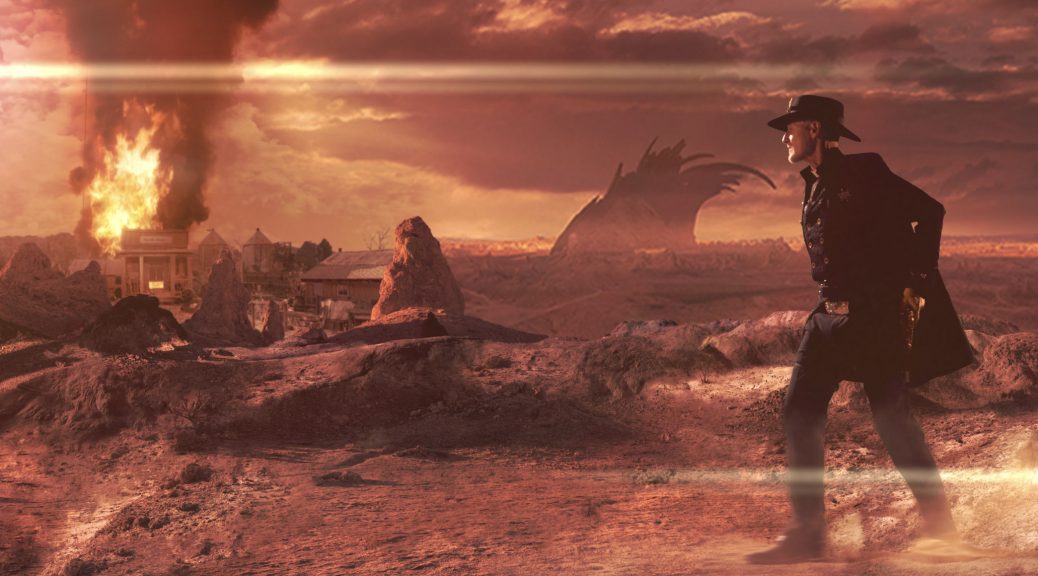
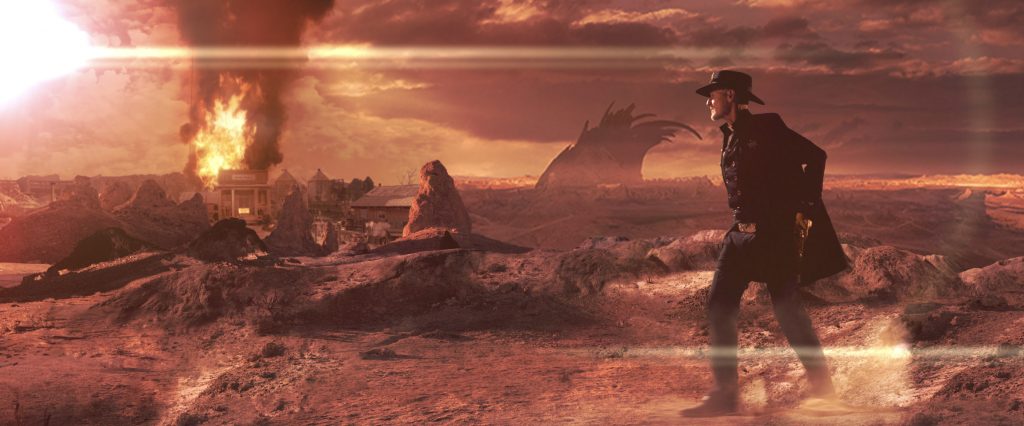
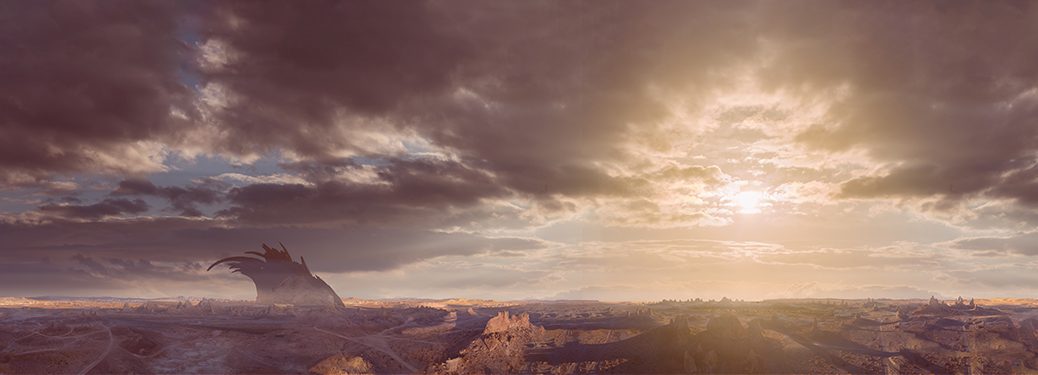
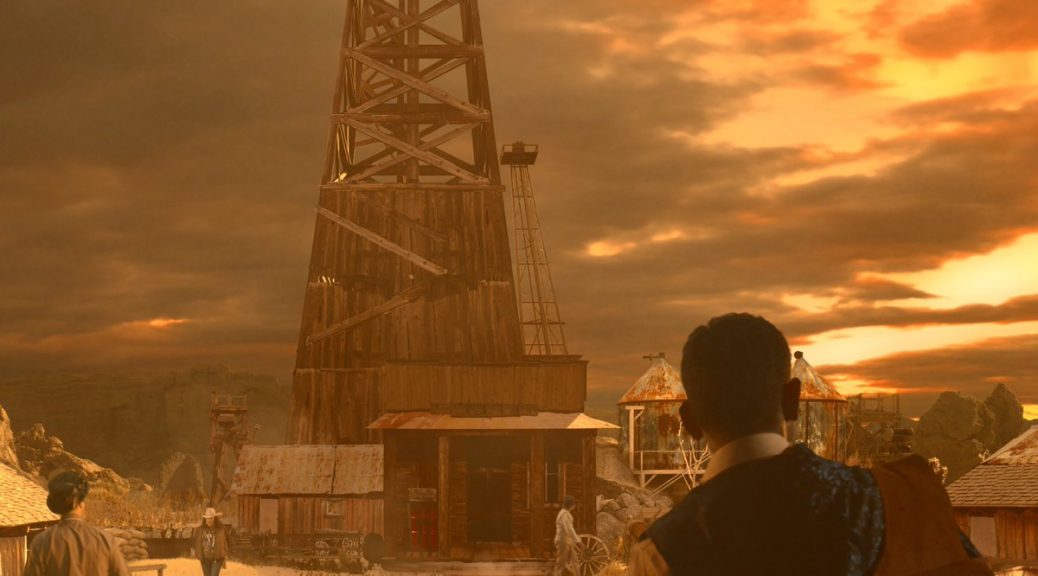
Whether you’re looking at Ford’s Monument Valley or Leone’s Spanish Deserts, the unspoken star of any great Western is, without a doubt, the landscape in which the film occurs. When we set out to make “Six Reasons Why”, our very first decision was place the main story of the Nomad in a barren and dangerous desert, and so it became our most crucial location to scout. Spain, Australia, the Middle-East and Africa were easy to write off, since we had so much delicate equipment to transport, any damage to the gear would shut our production down the moment we landed. So the plan had to be to drive our team across North America to our shooting location. That left us with the American desert, complete with the iconic Monument Valley, or the Canadian desert, with its harsh and alien Badlands. Ultimately, one look at the bizarre land formations of Drumheller, Alberta, and I fell in love. Here was a location that had been used in the great tradition of the Western genre, from Unforgiven to Brokeback Mountain, yet had never been truly exploited for its most distinct and photogenic features. Instead of using Drumheller as an inexpensive stand-in for the American West, the story of “Six Reasons Why”, with its anonymous Badlands, offered me the opportunity to shoot the surreal Hoodoos in all its eye-catching glory, and exploit the most unusual aspects of the terrain, both natural and man-made. 

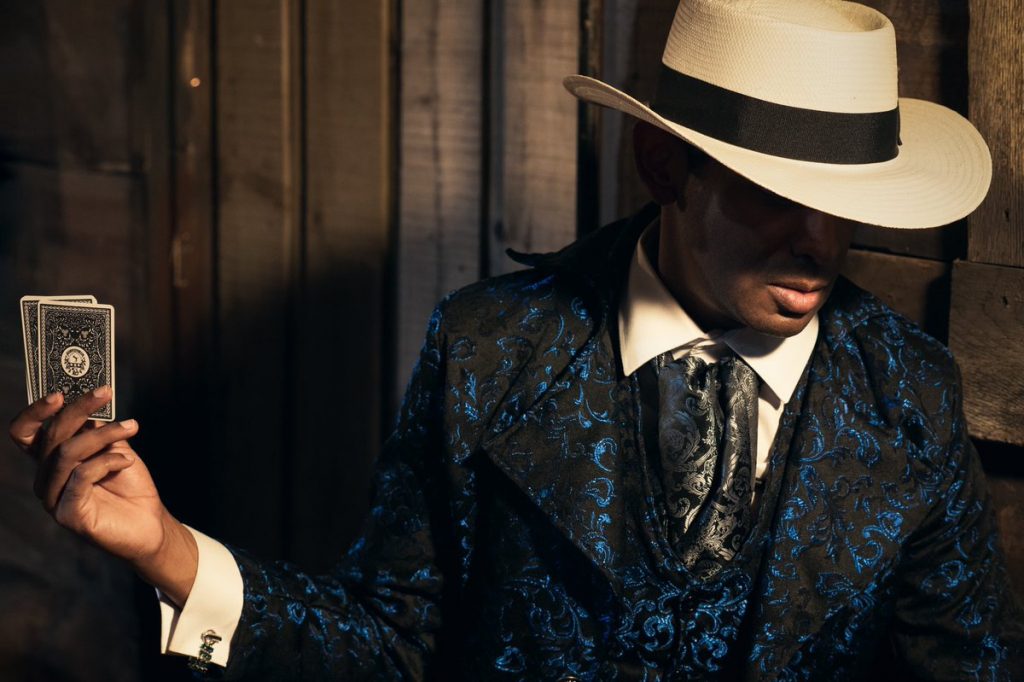
Once location scouting was out of the way, the look of the film next depended on costumes and props. The essential wide brim hats that would let me shoot for shadows over the eyes for mystery, or fully illuminate for soul searching scenes, were among the first costumes to fall into place. I knew that in order to get the most dramatic lighting in our barren set, we’d be shooting mornings and afternoons, keeping the sun as low in the sky as possible, and so Jeff and I made sure that the shadow of each hat on each actor was painstakingly adjusted to give our characters maximum bad-ass appeal. 

Here in “Six Reasons Why” were four characters, each written as an amalgamation of many legendary gunslingers, and so the guns they were slinging were going to have to be larger than life. We finally settled on 12-inches of larger than life, Spanish-made hand-canon, giving me the chance to shoot down the barrel of an almost impossibly large and intricately engraved revolver, and allowing our characters to wield weapons of clear value and tradition; simultaneously beautiful and deadly in one elegant package. Incidentally, 3 months after we ordered and received our replica revolvers, the manufacturing plant in Spain caught fire, and all production on the models has been halted indefinitely, and our props have since become limited editions.

The unique silhouette and high-contrast look of “Six Reasons Why” was something that developed out of my reading comic books from a very young age. The simple imagery of a black and white image can portray such a dynamic composition, drawing the eyes into the pose and action rather than to extraneous detail. That was one of the tools that I felt could make the cinematography in this film distinct from other Westerns, and with the popularity of films like ‘Sin City’ and ‘300’, it seemed like the time was right to bring my comic book influences to a motion picture.

Once we had driven 36-hours across the largest country in the world in May of 2006, principal photography was set to begin. As cinematographer, my real focus during location scouting had been to find the right places in Drumheller to bring our storyboards to life, and so when our audio supervisor, Nick Name, arrived on the scene to begin shooting, he had more than a few criticisms of my choices. For one, Drumeheller is in a valley, a natural wind-tunnel, and every shot we needed audio for was going to be a nightmare for him. Last-minute, he drove into nearby Calgary to rent a very elaborate ‘one size fits all’ windsock, that didn’t actually fit our microphone. So between huddling sweaters and human bodies around the microphone to keep the wind noise to a minimum, Nick Name was able to effectively counter our first production challenge. And then came the transport trucks. Drumeheller, it turns out, also hosts the only east-west road in the area that made it ideal for many, many, MANY transport trucks, dump trucks, garbage trucks and pick-up trucks to haul up and down the valley while we were shooting our film. Another nightmare for Nick Name. While I had my shot perfectly lined up, beautifully lit, every actor hit their mark and the performances were perfect, Nick would chime in with a “CUT!” in the middle of a scene, because he was hearing a Mack truck from 2 miles away. Windsocks they make, Trafficsocks they don’t. So the shooting of “Six Reasons Why” happened at carefully plotted moments, during intervals of complete silence in our high-traffic wind-tunnel of a valley. But man, did it ever look great from my point of view!


Having learned all about traffic noise from wrapping principal photography nearly 11 months before, Jeff and I set out to ensure our shoot with a Colm Feore in May of 2007 was very different. With police on site to cordon off roads and the county notified of our presence, the final day of shooting was a very highly orchestrated one. It’s rare that a directing team as young as my brother and I would get to work with so seasoned and talented an actor as Mr. Feore, so it was our intention to get it right the first time. And the moment that I had him framed on camera, and in these unique point-of-view shots, he spoke directly at the camera the words that my brother and I had written, we knew we had an actor on our hands who was worth all the effort. Ever the consumate professional, Mr. Feore not only had every line committed to memory, at our request he had even foregone shaving for weeks, and while on-set, refused to drink hardly any water at all, in order to keep his restroom breaks to a minimum. That’s committed. Shooting with Colm Feore is most certainly one of the most exciting memories for me as a cinematographer of “Six Reasons Why”, if for no other reason than having so expressive and accomplished a countenance to frame in my lens.

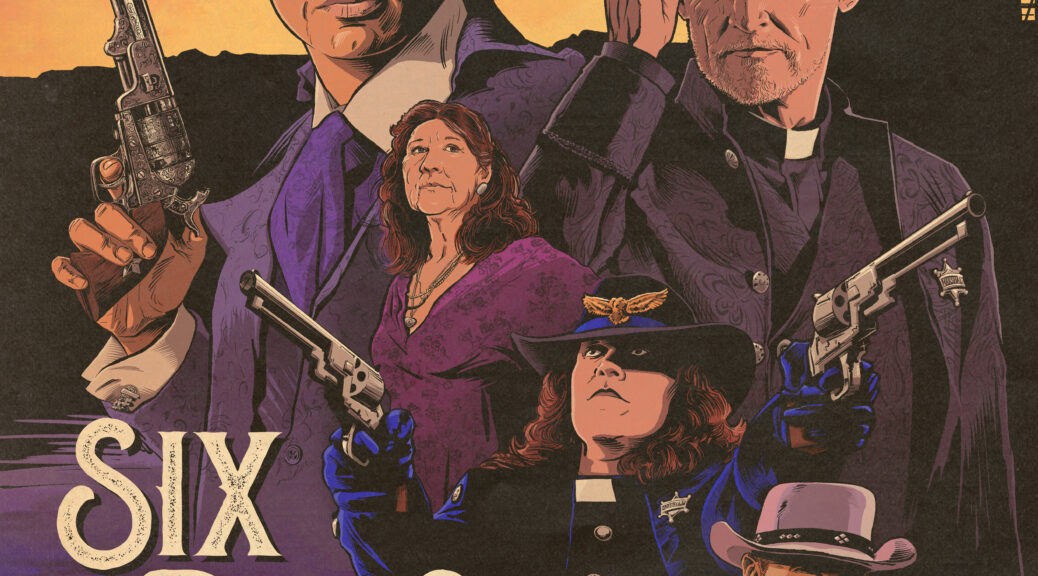
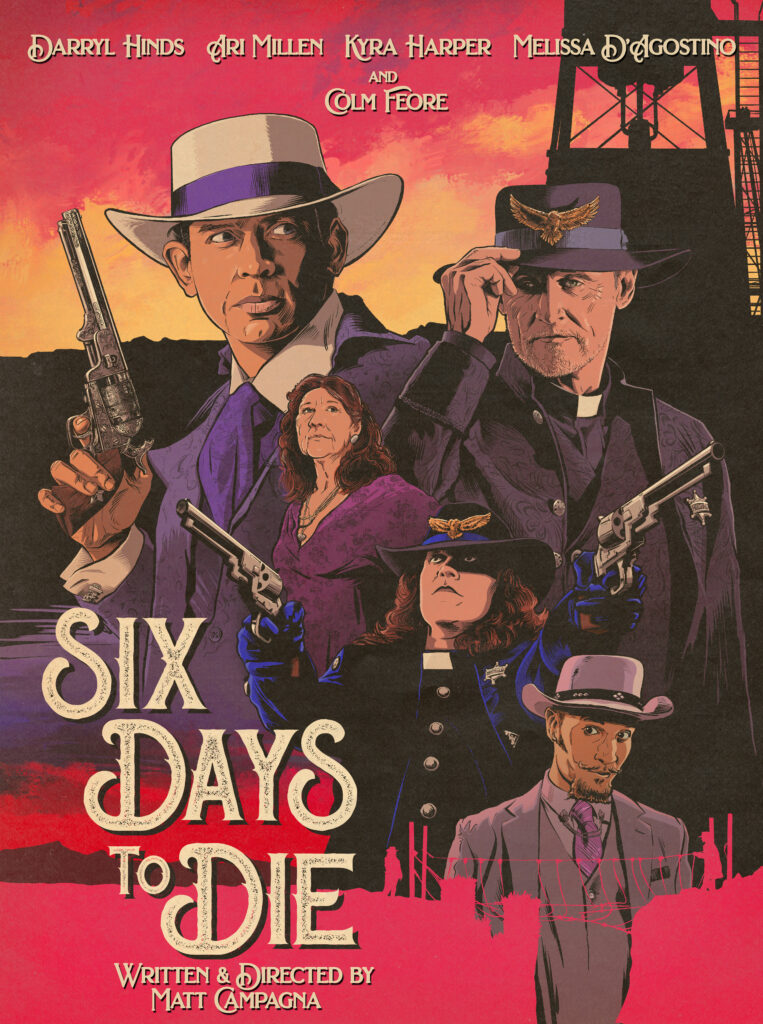
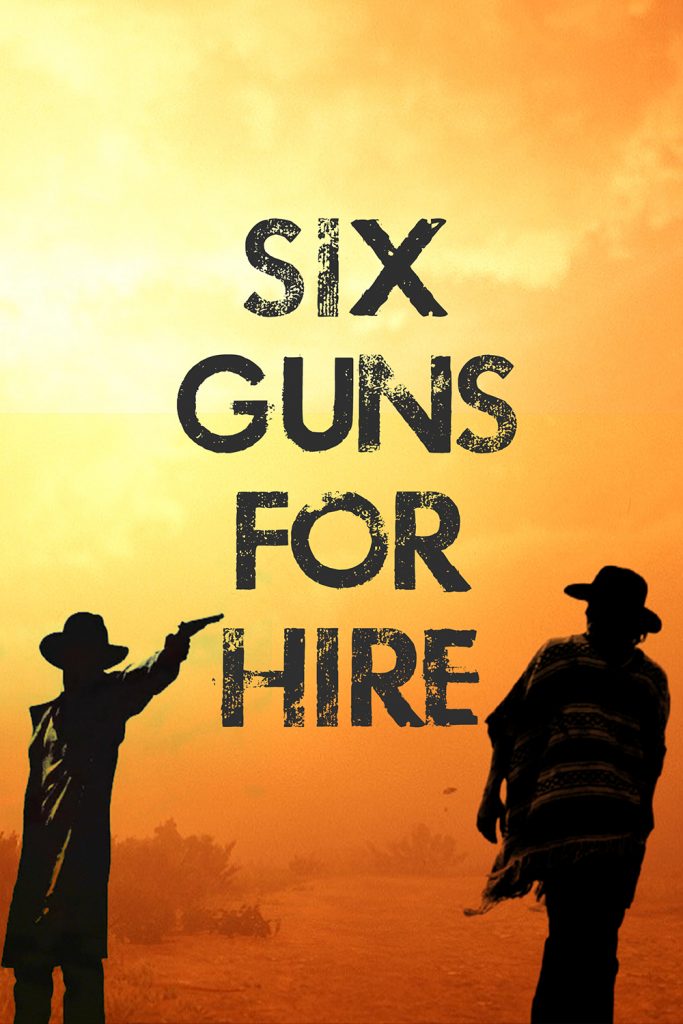
Main art for Six Reasons Why

Sep 16

Cross-posted from theWHIR.com

Embracing social media and having an ‘interactive’ component is something that just about every company is starting to see as a necessity on the web. Does your event have a #hashtag for twitter? Because I’m sure your business has a twitter account… right?

But it’s the companies that embraced social networking while it was in its infancy that are reaping some incredible rewards now. Just take a look at the South By Southwest festival. It started as a music festival in 1987, but in the mid-90’s added a film component and, in an act of nothing short of clairvoyance, an interactive component which has exploded in attendance, becoming a veritable Mecca for the who’s who of web 2.0. Felicia Day, Amber MacArthur, Kevin Rose and Cali Lewis are virtually staples there and guess what? Even Stacy Griggs rocked the fastest server in the world at the SXSW 2009 show floor.

So what makes them so ‘interactive’? Well, for starters there’s the fact that every session in the conference is chosen by the attendees in a brilliant voting engine. And we’re not talking blind submissions by just anyone; each and every submission gets a personal e-mail from someone at the festival like Jim Kolmar to chat about making the topic ideal for the SXSW crowd. 

SXSW 2008

My first exposure to the panel picker was last year, when I was part of a panel that was voted high enough and valued highly enough to become a reality at the 2009 SXSW. The online popularity definitely translated into attendance on the day, since we had a packed house to talk about our topic, prosumer special effects in film and web video.

For 2010 the voting is now closed (so I can’t curry favour in this blog on my own topics this year) but taking a look at their panel picker is definitely worth your while, whether you hold events, or just attend them. Because the folk in Austin know how it’s done.

~ @MattCampagna

Aug 14

Being the genre-film geek I am, I hit up the midnight screening of District 9 on Thursday night, equal parts excited for a refreshing Sci-Fi aesthetic and to see what Jackson and Blomkamp could do with an all-RED Camera shoot, since Roll the Hard Six will be primarily shot on RED. Well, that’s the plan at this stage of pre-production at least. Despite “Angels & Demons” and “Knowing” being billed as RED Camera films, they only used the RED for effects shots for ease of compositing, and did the rest on 35mm, so they’re hardly examples of a RED film. And Pontypool was all shot in one room, so lighting that for a 90-minute movie is a cinch. But District 9 is a film with chock-a-block effects shots, broad daylight, indoor and night shots, and was 100% RED. You’ll note in the credits there is NO film stock brand. Nice.

Anyway, within about 60 seconds I was so engrossed in the film, that the technical director in me was completely overcome by the film lover, and I was awash in the most significant Sci-Fi film since the Matrix. Needless to say, I loved the film (behold, the review of the film at YourGeekNews.com) and now I need to go watch the film all over again, and try flip the techie switch back on and really examine D-9 as a digital film. I want to see how far they’ve pushed the highlight latitudes and exposure, to the compression artifacting and the other limitations to shooting digital that I’m familiar with from shooting films like Six Reasons Why, and really deconstruct it as a film shot with a lot of the restraints we’ll have on Roll The Hard Six.

Except that Neill and Peter had 30 times the budget. Small detail.

Roll Hard,

~M@

Aug 12

Things are moving along quite nicely on Roll The Hard Six, and even with Jeff back-packing Asia at the moment, the wheels are still being turned by on half of the Campagna Brothers here in Canada. The steps that need to be taken for our Script and Packaging Application with Telefilm are taking giant leaps by the day, and the Harold Greenberg Fund has been kind enough to get us an advanced copy of their new application forms for the season. It turns out that Telefilm really appreciates getting to see a Greenberg App along with the Telefilm submission, so we’re happy to oblige.

On top of that, we’ve gotten a CRAZY awesome letter of interest from the actor who we wrote the part of Sheriff Avarez: Carlo Rota, of 24, Boondock Saints, Femme Nikita and Little Mosque on the Prairie.  Needless to say, we’re wildly excited to hear that he is as jazzed about Roll the Hard Six as we are!

Roll Hard,

~M@

Apr 28

From the pages of iN Magazine:

The only thing more daunting than getting started in studio films is getting started in independent films. Why? Because you’re on your own… right? That’s where most independent Filmmakers can easily make their first mistake.

Filmmaking is an art, like painting or sculpting, or even writing. In fact it’s all those arts combined and more. But unlike those art forms, filmmaking is inherently a collaborative art. You NEED other people to make a good film.

I say a good film because, well, let’s face it, you could technically do it all yourself: write the script, direct it, shoot it, light it, act in it, do the sound recording, edit the rough cut, do the sound design, colour correct it, write the music, perform the music, do the fine cut, go to the international sales markets, write the long-form acquisition contracts, account your own books, get the insurance and copyright for the film, sell it and keep all the money yourself.

But if you’re starting out, one, a few or all of those tasks may seem pretty daunting. I’ve done most of them, and writing that list out even scared me.

So your first step is assembling a team of hungry artists and BUSINESS PEOPLE around your project. There is a misconception that a director’s primary job is “getting the shot,” but that’s not really the case.

A director’s first job is to pick all the right people to put on his team to get the shot for him and make that shot go somewhere. A good cinematographer will shoot a scene lit by a good lighting designer that sounds good because of the skilled location audio recorder that’s recording good dialogue written by a good screenwriter in a story written by a good storyteller… And so on.


If the Director has the right team, his job is the easiest one on the set, because he spent the time building that team before they got there and once his job is done, the right people pick up the finished film and take it to market. After all, it is show BUSINESS not show PLAY, and the danger of involving so many people is that their time is valuable and people should be paid for their skill.

If you’re serious about filmmaking as a profession, your project has to cost less than you will sell it for, so you can compensate your team and make a proper business model out of the most fun job on earth.

So before you crack open Final Draft, or buy your Genesis camera and Avid suite, think long and hard about who will be working that equipment on the day and who will see the project through to completion. The movie isn’t done when you watch it on your own Magnavox. It’s done when you see it on a complete stranger’s Magnavox because he rented it at Blockbuster.

And from beginning to end, that process takes not weeks, not months, but years. So make sure your team is in it for the long haul, and you’ll see some amazing results.
You may be an independent filmmaker. But your most valuable resource will be the people you can depend on.

Matt Campagna is an independent filmmaker, whose credits include the feature western SIX REASONS WHY and feature doc ROOTS OF A MAN, which he made with his brother Jeff. He’s also produced and directed webTV shows like BSGcast.com, YourGeekNews.com, WHIRtv.com and NakedWineShow.com since 2005 with his partner Anastasia.

Aug 13

sixreasonswhy-2
Six Reasons Why is already for sale in a few parts of the world, but on August 26, 2008 the DVD drops in Canada, and there’s a theatrical premiere and press tour to kick it off at 8pm at the AMC Courtney Park in Mississauga. Here’s a map! And here’s the Facebook Event!We’ll have cast and crew, including Mr. Colm Feore, on hand to meet and greet as well as a Q&A session and of course, an afterparty.

So if you feel like catching a thought-provoking, post-apocalyptic Spaghetti Western on a Tuesday night in August, we’d love to have you there!

And if you can’t make it, don’t worry… you can buy Six Reasons Why on Amazon.com right here! And on Amazon.ca right here!

~Matt

PS. The Press tour is going pretty well so far, take a look:

Entertainment Tonight

CTV’s Canada AM

And over 50 print media outlets

« Previous Entries